Wisebite logoCheese for Kids
21 JUN 2026

Is Cheese Good for Kids? A Quick Guide for Parents

Yes, cheese is generally good for kids. [1]Cheese can be a nutritious addition to a child’s balanced diet. It is a dairy food that provides several nutrients commonly included in children’s dietary recommendations, such as protein, calcium, vitamin A, and vitamin B12, when consumed as part of a balanced diet. These nutrients play important roles in normal growth, bone health, and overall development during childhood.

Why cheese is often included in kids’ diets

Dairy foods, such as cheese, are commonly recognised as important sources of nutrients in dietary guidelines worldwide.

Some key nutrients found in cheese include:

Protein – contributes to normal growth and tissue maintenance.

Calcium – contributes to the maintenance of normal bones and teeth.

Vitamin B12 – contributes to normal neurological function and red blood cell formation.

Vitamin A and D – nutrients involved in immune function and bone health.
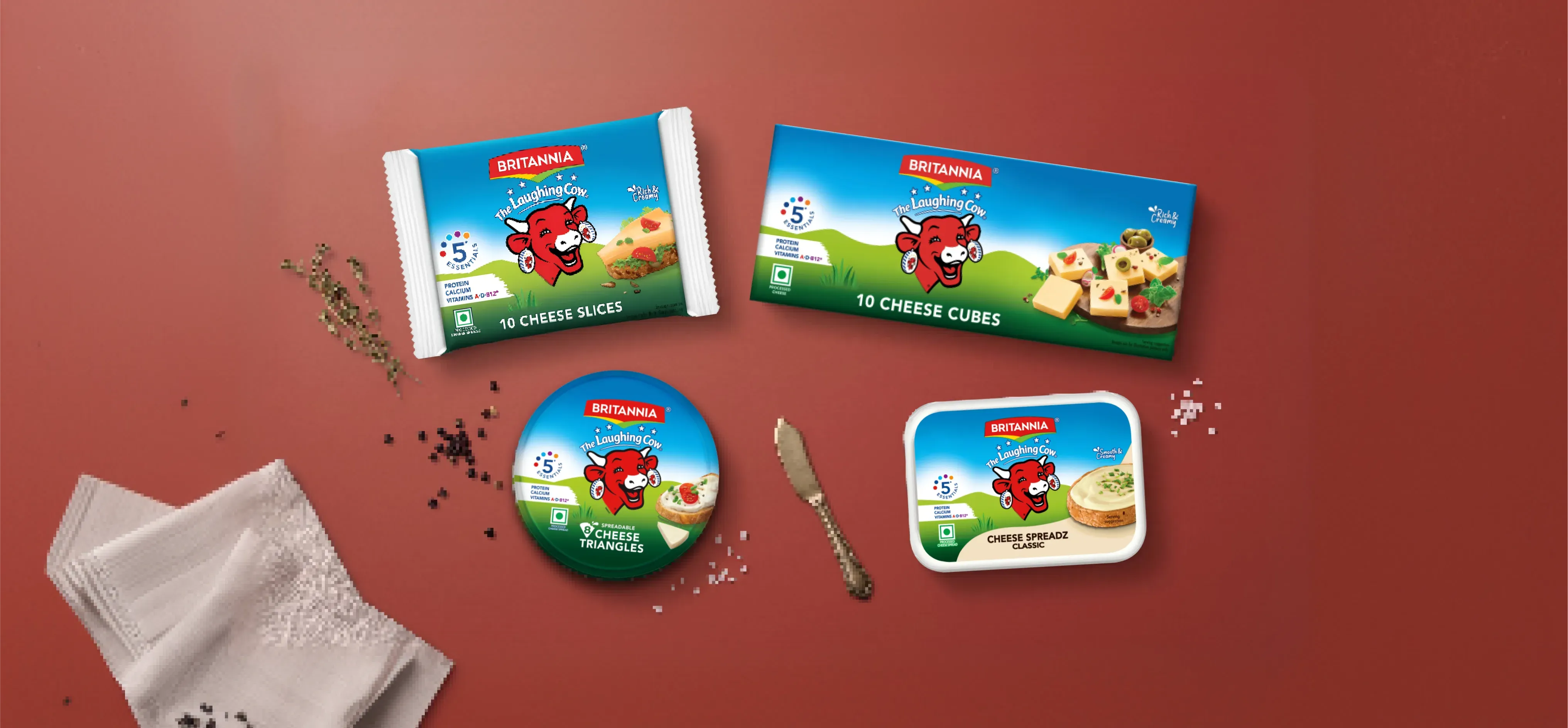
Cheese formats commonly used in everyday meals

Britannia Laughing cow cheese formats
VegetarianProcessed Cheese

Many households keep convenient cheese formats in the refrigerator for quick snacks or lunchbox additions. At Britannia Industries, our The Laughing Cow cheese range is available in easy-to-use formats that can fit naturally into everyday meals.

Key highlight/format

Nutritional note

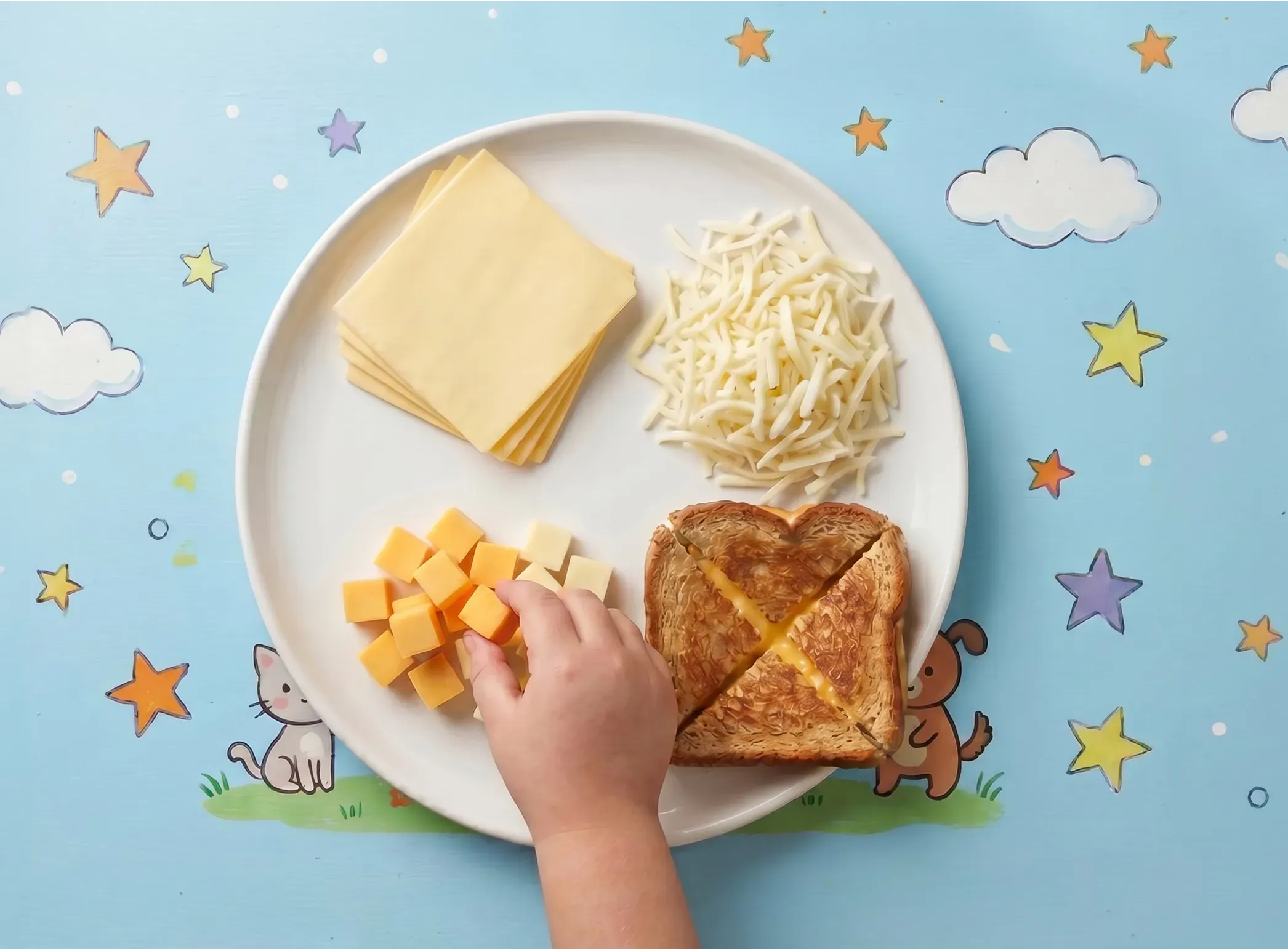
Cheese Slice

Sandwich-friendly slice

Cheese Slice

Contains 5 essential nutrients: protein, calcium, vitamins A, D & B12

Cheese Cube

Bite-sized cube format

Cheese Cube

Contains 5 essential nutrients: protein, calcium, vitamins A, D & B12

Cheese Spread

Smooth, spreadable format

Cheese Spread

Contains 5 essential nutrients: protein, calcium, vitamins A, D & B12

Cheese Triangle

Soft triangular portions

Cheese Triangle

Contains 5 essential nutrients: protein, calcium, vitamins A, D & B12

A simple addition to everyday meals

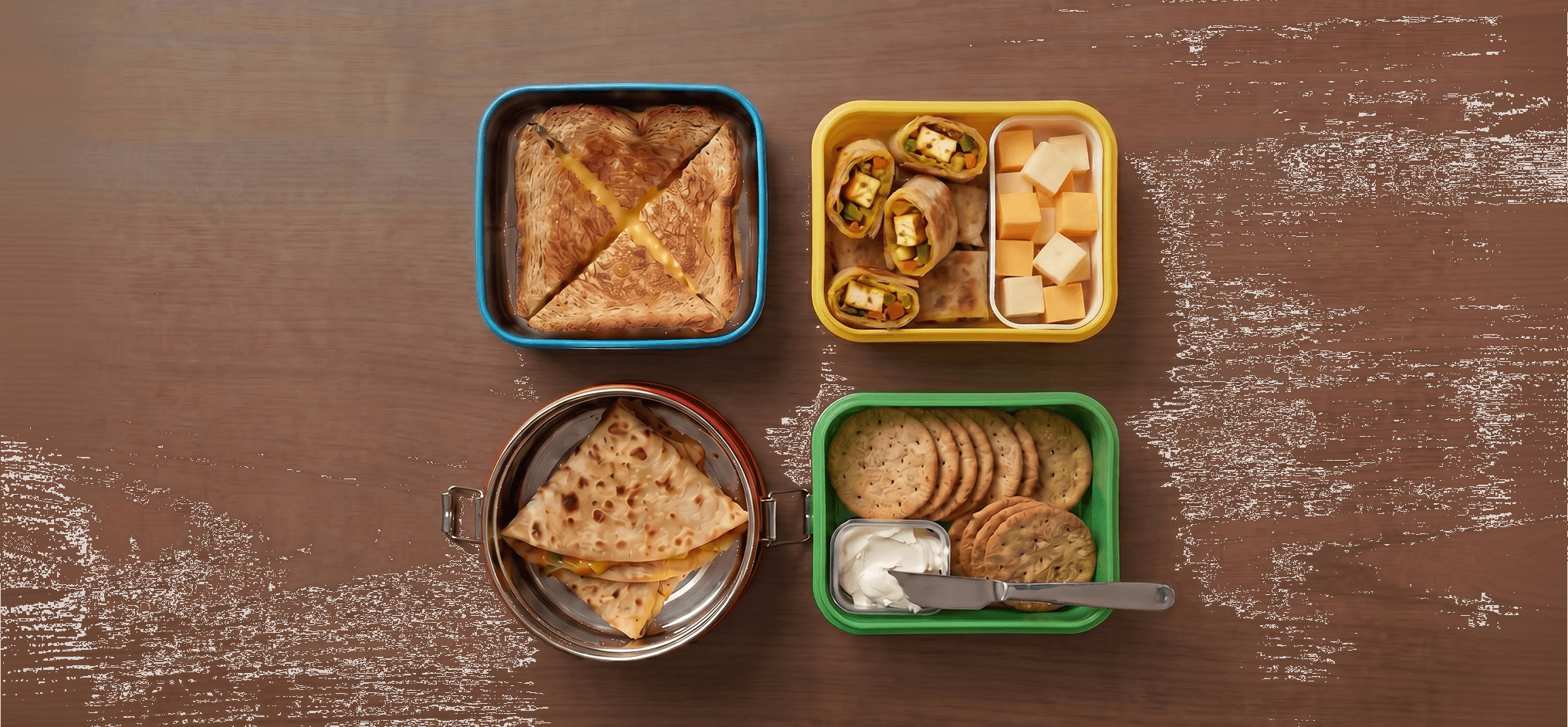
Cheesy recipes for lunchbox

Parents often add cheese to meals in small, practical ways:

  • Cheese toast for breakfast
  • Cubes packed in school lunchboxes
  • Cheese paratha or wraps
  • Spread on crackers or bread for snacks

Because of its taste and versatility, cheese can blend easily into everyday foods children already enjoy. When included as part of a balanced diet, cheese can be a convenient way to add dairy-based nutrients like protein, calcium, vitamin A, and vitamin B12 to a child’s meals.

Note: Allergen information: Cheese contains milk and milk products.

Cheese should be consumed in moderation as part of a varied and balanced diet.

Disclaimer: All images displayed in the blog are AI-generated.

Britannia Picks

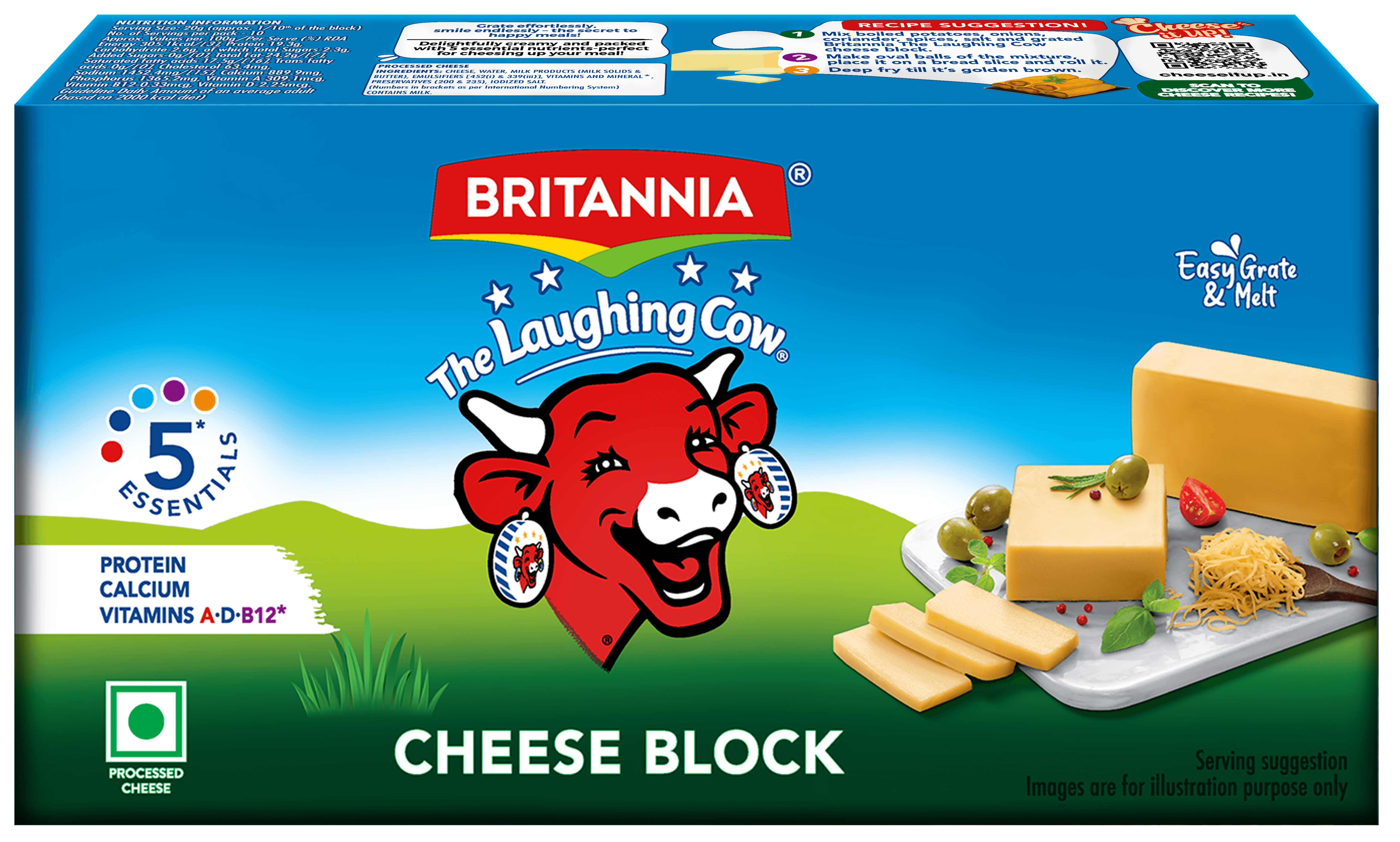
Cheese Block

Cheese Block

GOODNESS OF MILK GOODNESS OF MILK
Source of ProteinSource of Protein
Creamy RichnessCreamy Richness
SHOP NOW
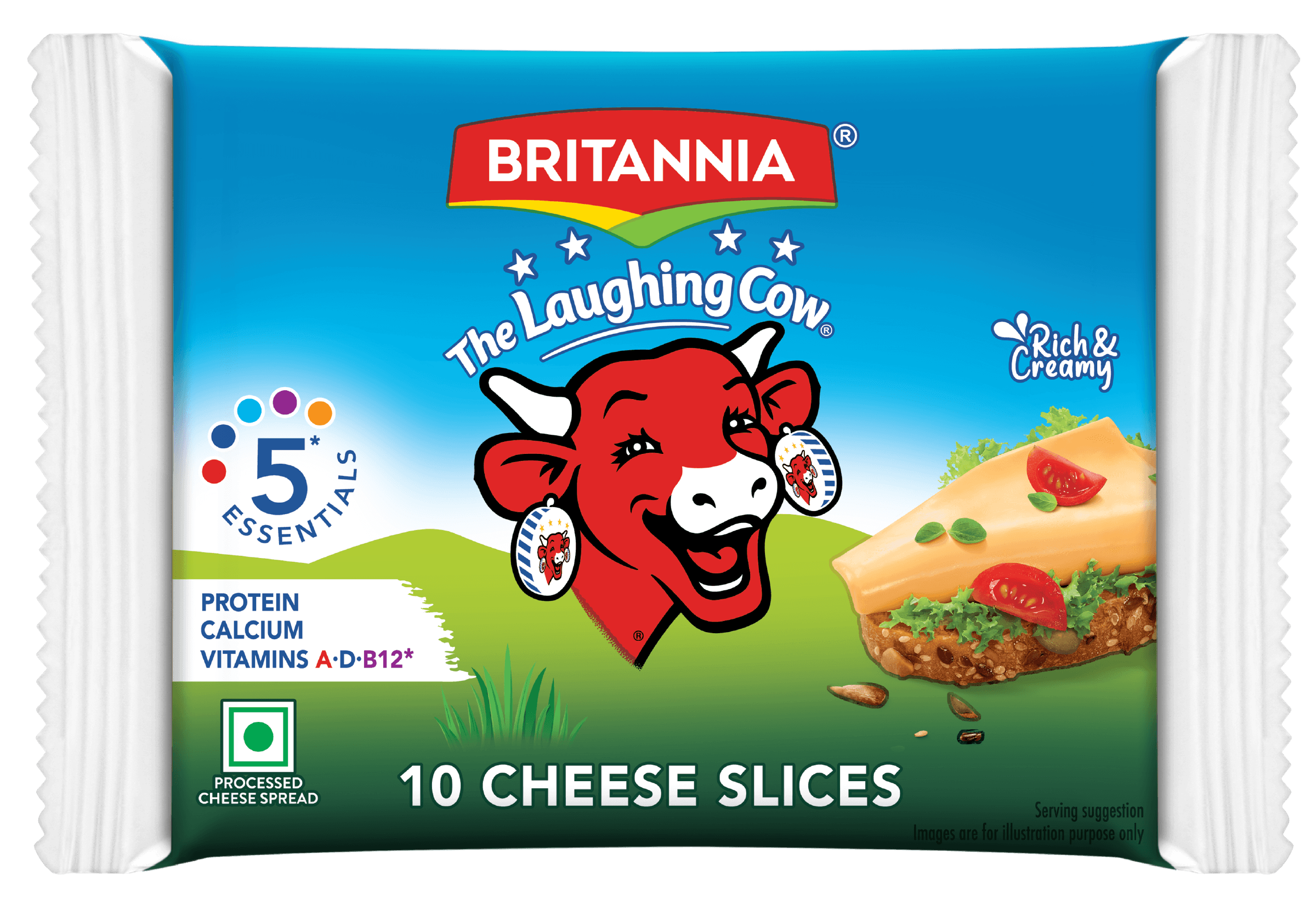
Cheese Slices

Cheese Slices

Goodness of MilkGoodness of Milk
NATURALLY RICH IN PROTEINNATURALLY RICH IN PROTEIN
Creamy RichnessCreamy Richness
SHOP NOW
View Related Products

More to Munch On

01
02
03
04
05
View All Blogs