Wisebite logoCheese Protein Or Fat
15 MAY 2026

Is Cheese Protein Or Fat? Understanding Its Duality

Cheese contains both protein and fat, and in most varieties, fat is present in slightly higher amounts than protein.1 With growing focus on nutrition, you are likely looking beyond taste and asking what your food actually provides. Is it mainly protein? Is it high in fat? Or is it a mix of both?

This mindset leads to questions like, ‘Is cheese protein or fat?’ The answer is easier to understand than you might think.

How is cheese made?

A natural enzyme or culture is added to milk, which causes a key milk protein called casein to curdle. Casein constitutes for 80% of the milk protein, and whey protein accounts for 20%.

When milk curdles, it separates into solid parts called curds and a liquid called whey. The curds are then cut, heated, and pressed to remove more whey. This step makes the curds firmer and increases the concentration of nutrients like protein and fat. Finally, the curds are salted and aged. 

How is cheese made

Ageing changes the texture and flavour. At last, cheese becomes this concentrated product of milk, which contains proteins, fats, carbohydrates, minerals, and vitamins.
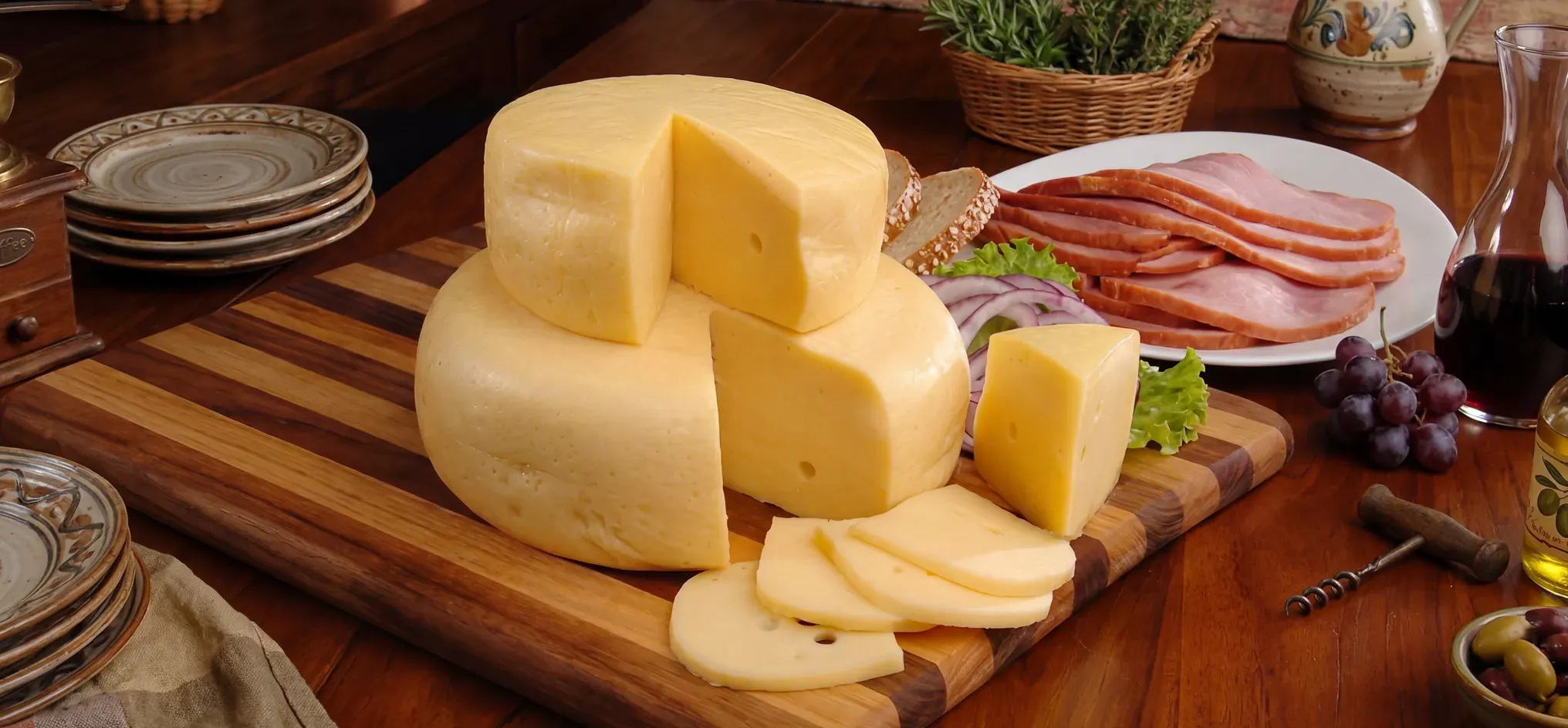
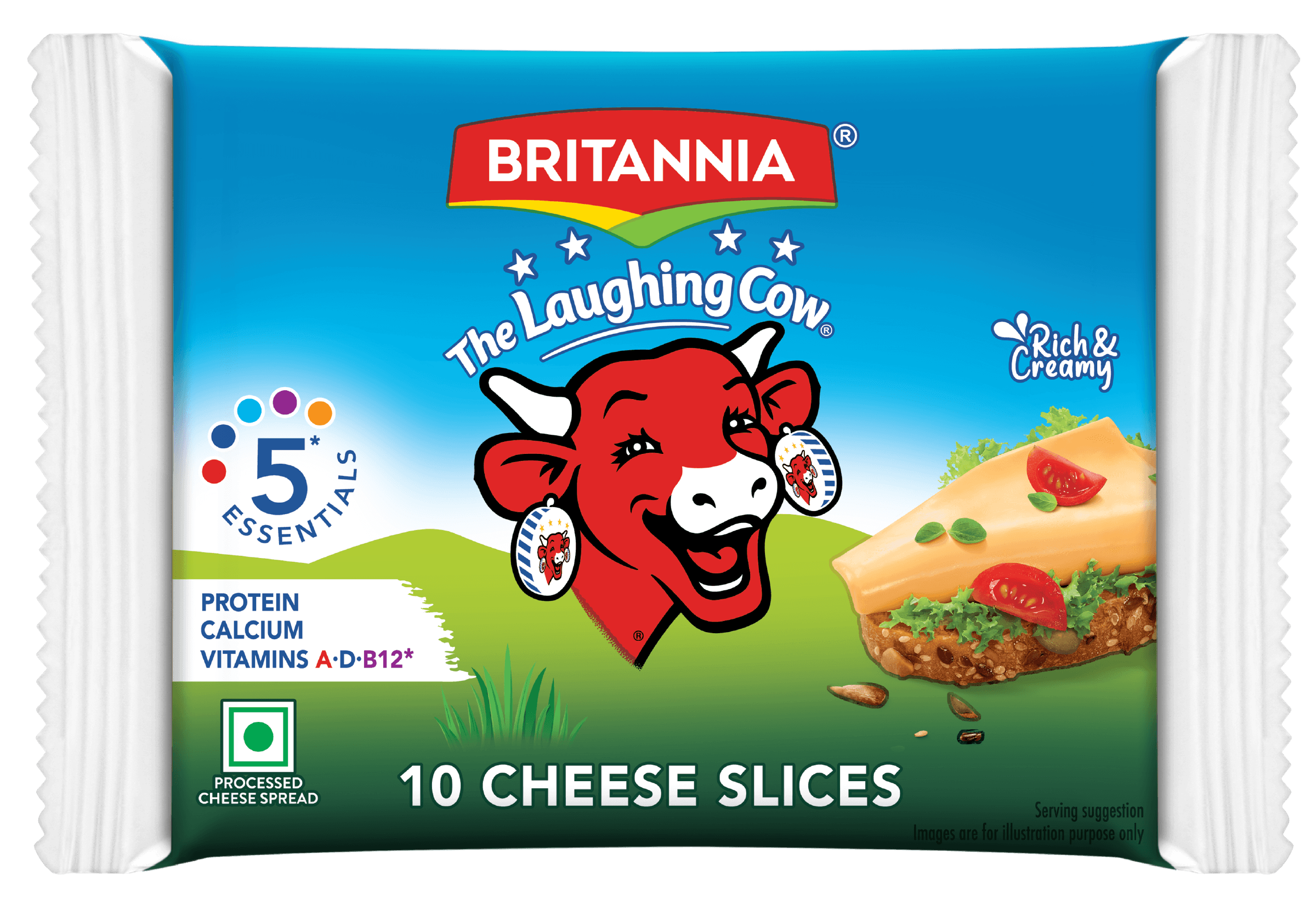
The nutrient content of cheese

 Processed Cheese

The nutrient values vary by milk type, ageing, and moisture content. The table below shows the approximate values of nutrient content of processed cheese:

Nutrient100 grams of Processed Cheese
Protein18 - 25g
Fat12.5g
Carbohydrates0.9 - 25g
Cholesterol85mg


Is Cheese More Protein or More Fat?

If you are choosing cheese, think of it as a source of both protein and fat.1 It is a versatile food which can be included in a diet in moderate amounts. Choosing from a trusted brand like Britannia The Laughing Cow Cheese can help you include it more confidently as part of your everyday eating pattern.

Disclaimer: All images displayed in the blog are AI-generated.